Friday, 16 January 2015

Presenting the bones


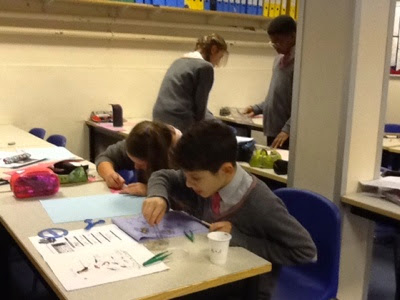
The sorted bones are then glued onto a poster
Presentation skills are key


All this in a double lesson. Some very efficient worker here today

Dem bones

Year 8 are now identifying the bones they separated from the owl pellets.
The bones have been soaking in bleach solution for the last 36 hours so they are nice and clean and disease free!


Year 7 extract DNA from an onion

We have been discussing DNA in our recent lessons with Year 7. On Wednesday we were able to extract the DNA from an onion.

First we crushed the onion in a salt solution. 


Then we filtered the mixture.


After adding some washing up liquid we then patiently waited for the DNA to appear between the two layers. 


Thursday, 15 January 2015

Year 6 get to grips with the microscope

This morning Year 6 had their second session with the microscopes. 
While getting use to operating this important piece of equipment they have been learning to focus on colour photos and drawing what they see
Next they will find the field of view of each magnification then time to look at cells.


Wednesday, 14 January 2015

Tuesday, 13 January 2015

Owls on Stage

Monday 12th Jan  -  Bristish Wildlife Centre Owls take center stage in the Brambletye Theatre.
 Year 8 pupils were in for a real treat and Issy and Tom from the BWC shared information about the owls.
 Florence the Tawny Owl
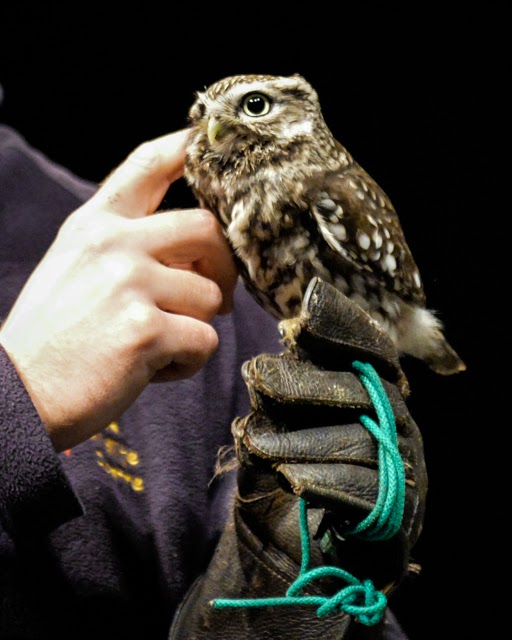
 Scrappy the Little Owl
 Ethel the European Eagle Owl
 Kevin the Barn Owl takes to the air - silently
(Movie of the flights to follow- watch this space)
 Flo gets up close and personnel with Brambletye pupils
Flo coughs up a pellet 
 Much to the delight of Issy and the disgust of this Brambletye pupil
Many thanks to Issy and Tom from the BWC
and to Louise Siggers for these wonderful photos


Monday, 12 January 2015

Owl Ecology

Year 8 pupils have been learning all about owls. This is a good way to bring together the last three year's Biology to help get ready for CE. Having looked at the classification they are now dissecting owl pellets (regurgitated fur and bones) to see what they eat. 
The pellets need wetting to help them separate
Skulls can be picked out easily, this is a vole skull
Some are full of fur so difficult to identify
Rinsing in water helps to get rid of some of the fur
Some need a little work with tweezers and a seeker to get the fur out
Leg bones are easier to separate and there should be four for each skull!
Another interesting find
Close examination is necessary
The running tap technique has it's disadvantages - this bone ended up down the plug hole.
Later today we meet the owls themselves from the British Wildlfie Centre.